


Cutting PVC film sheets without cracking them is a skill that many DIY enthusiasts, professionals in the construction and interior design industries, and even hobbyists need to master. As a PVC Film Sheets supplier, I've encountered numerous clients facing challenges in this area. In this blog, I'll share some practical tips and techniques to help you achieve clean, crack - free cuts on PVC film sheets.
Understanding PVC Film Sheets
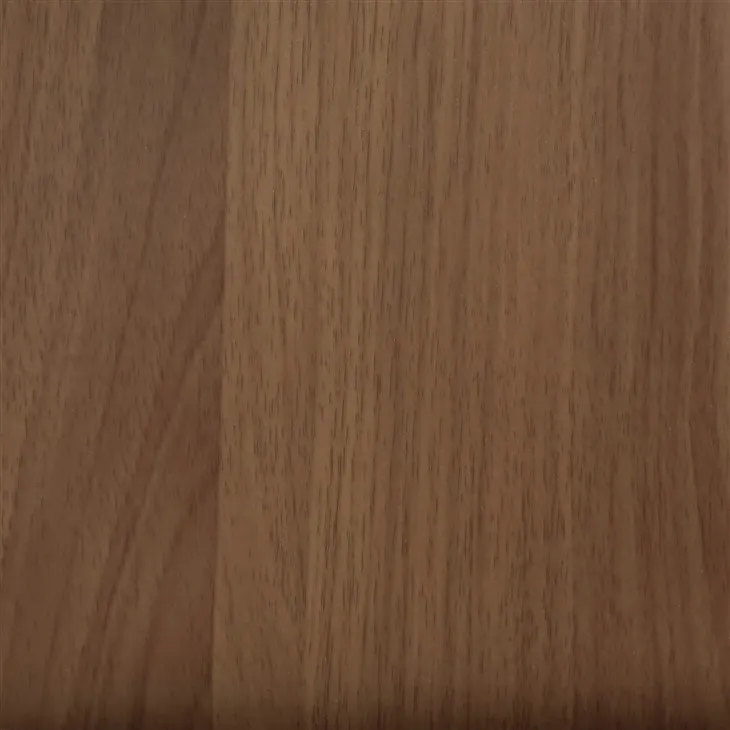
Before delving into the cutting process, it's essential to understand the nature of PVC film sheets. PVC, or polyvinyl chloride, is a versatile plastic material known for its durability, flexibility, and resistance to chemicals and moisture. PVC film sheets come in various thicknesses, finishes, and colors, catering to different applications such as Matte Finish Decorative Foil For Doors, Wood Grain Decorative Door Foil, and Multicolor Door PVC Vacuum Film.
The thickness of the PVC film sheet significantly affects the cutting method. Thinner sheets are more flexible and easier to cut, while thicker ones require more force and the right tools. Additionally, the finish of the film can also impact the cutting process. For example, a matte finish may be more prone to showing scratches during cutting compared to a glossy finish.
Choosing the Right Tools
The choice of tools is crucial when it comes to cutting PVC film sheets without cracking. Here are some commonly used tools and their suitability:
Utility Knives
Utility knives are one of the most popular tools for cutting PVC film sheets. They are lightweight, easy to handle, and come with replaceable blades. When using a utility knife, make sure to use a sharp blade. A dull blade can cause the film to tear or crack instead of making a clean cut. It's recommended to replace the blade regularly, especially when cutting thicker PVC film sheets.
Scissors
Scissors are suitable for cutting thinner PVC film sheets. They offer more control and precision, especially for small or curved cuts. However, they may not be the best choice for thick or large - scale cuts as they require more effort and may not provide a straight cut.
Rotary Cutters
Rotary cutters are ideal for making long, straight cuts on PVC film sheets. They have a circular blade that rolls along the cutting line, providing a smooth and clean cut. Rotary cutters are often used in combination with a cutting mat to protect the surface underneath and ensure accurate cuts.
Laser Cutters
For more precise and complex cuts, laser cutters can be used. Laser cutters use a high - powered laser beam to cut through the PVC film sheet, offering extremely accurate cuts with minimal heat - affected zones. However, laser cutters are expensive and may not be practical for small - scale or home use.
Preparing the PVC Film Sheet
Proper preparation of the PVC film sheet is essential to prevent cracking during cutting. Here are some steps to follow:
Cleaning the Surface
Before cutting, clean the surface of the PVC film sheet to remove any dust, dirt, or debris. A dirty surface can cause the cutting tool to slip, resulting in uneven cuts or cracks. Use a mild detergent and a soft cloth to clean the surface, then dry it thoroughly.

Measuring and Marking
Measure and mark the cutting line on the PVC film sheet using a ruler and a marker. Make sure the markings are clear and accurate. If possible, use a straightedge or a cutting guide to ensure a straight cut.
Securing the Film Sheet
To prevent the PVC film sheet from moving during cutting, secure it firmly to a flat surface. You can use masking tape or weights to hold the film sheet in place. This will help you make more accurate cuts and reduce the risk of cracking.
Cutting Techniques
Once you have chosen the right tools and prepared the PVC film sheet, it's time to start cutting. Here are some cutting techniques to follow:
Slow and Steady Cuts
When using a utility knife, scissors, or rotary cutter, make slow and steady cuts along the marked line. Applying too much pressure or cutting too quickly can cause the film to crack. Let the cutting tool do the work and follow the cutting line carefully.
Multiple Passes
For thicker PVC film sheets, it may be necessary to make multiple passes with the cutting tool. Start with a shallow cut and gradually increase the depth with each pass. This will help prevent the film from cracking and ensure a clean cut.
Curved Cuts
When making curved cuts, use scissors or a rotary cutter with more flexibility. Take your time and follow the curve carefully. You may need to make small, incremental cuts to achieve the desired shape.
Cutting in a Well - Ventilated Area
If you are using a laser cutter, make sure to cut in a well - ventilated area. Laser cutting PVC film sheets can produce fumes that are harmful to health.
Post - Cutting Care
After cutting the PVC film sheet, there are a few steps you can take to ensure the quality of the cut and prevent cracking:
Trimming the Edges
Use a utility knife or scissors to trim any rough or uneven edges after cutting. This will give the PVC film sheet a clean and professional look.
Removing Burrs
If there are any burrs or rough spots on the cut edge, use sandpaper or a file to smooth them out. This will prevent the film from catching on other surfaces and reduce the risk of cracking.
Troubleshooting
Even with the best preparation and techniques, you may still encounter some issues when cutting PVC film sheets. Here are some common problems and solutions:
Cracking at the Edges
If the PVC film sheet cracks at the edges during cutting, it may be due to a dull blade or excessive pressure. Replace the blade and reduce the pressure when cutting. You can also try making multiple passes with a shallower cut.
Uneven Cuts
Uneven cuts can be caused by a dirty surface, a misaligned cutting tool, or the film sheet moving during cutting. Clean the surface, align the cutting tool properly, and secure the film sheet firmly to prevent uneven cuts.
Heat - Affected Zones
If you are using a laser cutter, you may notice heat - affected zones around the cut edge. To minimize this, adjust the laser power and speed settings according to the thickness and type of PVC film sheet.
Conclusion
Cutting PVC film sheets without cracking them requires the right tools, proper preparation, and the correct cutting techniques. By understanding the nature of PVC film sheets, choosing the appropriate tools, and following the steps outlined in this blog, you can achieve clean, crack - free cuts for your projects.
As a PVC Film Sheets supplier, we offer a wide range of high - quality PVC film sheets suitable for various applications. Whether you need Matte Finish Decorative Foil For Doors, Wood Grain Decorative Door Foil, or Multicolor Door PVC Vacuum Film, we have the products to meet your needs. If you have any questions or would like to discuss your PVC film sheet requirements, please feel free to contact us for procurement and further negotiations.
References
- "Plastic Materials: Their Use and Identification" by R. V. Seymour
- "The Handbook of Polyvinyl Chloride Formulating" by Edward J. Wickson


