


Printed PVC film is a versatile and widely used material in various industries, from interior decoration to automotive applications. As a leading supplier of Printed PVC film, we understand the importance of its chemical resistance, which directly impacts its performance and longevity in different environments. In this blog post, we will explore the types of chemicals that Printed PVC film can withstand, providing you with valuable insights to make informed decisions for your projects.
Understanding the Basics of Printed PVC Film
Before delving into the chemical resistance of Printed PVC film, it's essential to understand its composition. PVC, or polyvinyl chloride, is a synthetic plastic polymer known for its durability, flexibility, and cost - effectiveness. Printed PVC film is created by printing various designs, patterns, or colors onto a PVC base film. This film can be used for flooring, wall coverings, signage, and more.
Chemical Resistance of Printed PVC Film
The chemical resistance of Printed PVC film depends on several factors, including the formulation of the PVC resin, the additives used, and the printing process. Generally, Printed PVC film can withstand a wide range of chemicals, but its resistance may vary depending on the concentration, temperature, and exposure time of the chemicals.
1. Water and Dilute Aqueous Solutions
Printed PVC film has excellent resistance to water and dilute aqueous solutions. It can be used in environments where it may come into contact with water, such as bathrooms, kitchens, and swimming pool areas. The film's resistance to water helps prevent swelling, delamination, and degradation, ensuring its long - term performance. For example, in applications like Long - Lasting PVC Flooring Sheets, the ability to resist water is crucial for maintaining the integrity of the flooring.
2. Mild Acids and Bases
Printed PVC film can withstand mild acids and bases. For instance, it can resist solutions of acetic acid (vinegar), which has a relatively low concentration. Similarly, it can tolerate dilute solutions of sodium hydroxide (lye) at low concentrations. However, prolonged exposure to strong acids or bases can cause damage to the film. High - concentration sulfuric acid or hydrochloric acid can react with the PVC, leading to discoloration, embrittlement, and loss of mechanical properties.
3. Alcohols
Most Printed PVC films have good resistance to common alcohols such as ethanol and isopropanol. These alcohols are often used for cleaning purposes, and the film can withstand occasional contact without significant damage. This property makes Printed PVC film suitable for use in areas where alcohol - based cleaners are used, such as hospitals and laboratories.
4. Oils and Fats
Printed PVC film shows varying degrees of resistance to oils and fats. Mineral oils and vegetable oils may have different effects on the film. Some PVC formulations are designed to be more resistant to oil penetration. In applications like automotive interiors, where the film may come into contact with engine oils or lubricants, the ability to resist oils is essential. However, prolonged exposure to certain types of oils can cause the film to swell or lose its adhesion, especially if the oil contains solvents or additives.
5. Solvents
The resistance of Printed PVC film to solvents is more complex. Some solvents, such as aliphatic hydrocarbons (e.g., hexane), have limited solubility in PVC and may cause only minor swelling or softening. On the other hand, aromatic hydrocarbons (e.g., toluene and benzene) and chlorinated solvents (e.g., chloroform and dichloromethane) are strong solvents for PVC. Exposure to these solvents can quickly dissolve or severely damage the film.
Factors Affecting Chemical Resistance
As mentioned earlier, several factors can affect the chemical resistance of Printed PVC film:
1. PVC Formulation
The type of PVC resin used and the additives incorporated into the formulation play a significant role. For example, plasticizers are added to PVC to increase its flexibility. However, some plasticizers may leach out when exposed to certain chemicals, reducing the film's resistance. Specialized PVC formulations with high - performance additives can enhance the film's chemical resistance.
2. Printing Process
The printing process can also impact the chemical resistance of the film. Some printing inks may be more resistant to chemicals than others. For instance, UV - cured inks generally have better chemical resistance compared to solvent - based inks. The adhesion of the ink to the PVC film is also crucial. If the ink does not adhere well, it may be more easily removed by chemical exposure.
3. Temperature and Exposure Time
Higher temperatures can accelerate chemical reactions and increase the rate of degradation. A Printed PVC film that can withstand a certain chemical at room temperature may not be able to do so at elevated temperatures. Similarly, longer exposure times to chemicals can also lead to more significant damage. For example, short - term contact with a mild acid may not cause any visible damage, but prolonged immersion can result in corrosion.
Applications and Chemical Resistance Requirements
Different applications of Printed PVC film have different chemical resistance requirements:
1. Flooring
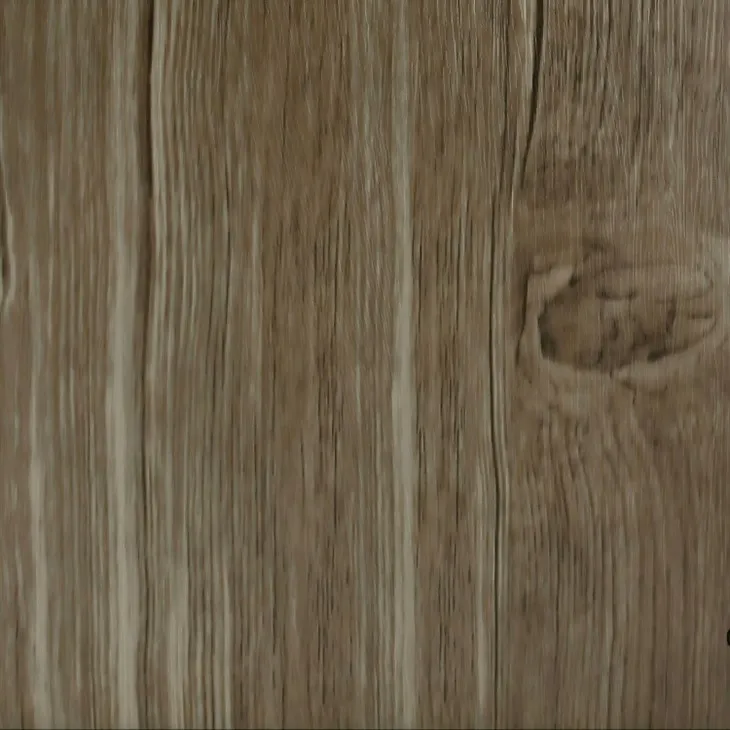
In flooring applications, such as Super Vinyl Classic Oak Spc Flooring Film and Durable PVC Flooring Layers, the film needs to resist common household chemicals, including cleaning agents, water, and occasional spills of food and beverages. It should also be able to withstand foot traffic and abrasion, which can expose it to dirt and other contaminants.

2. Wall Coverings
Wall coverings made of Printed PVC film may come into contact with dust, moisture, and cleaning solutions. They need to resist discoloration and damage from these substances to maintain their aesthetic appeal. Additionally, in commercial buildings, they may be exposed to more aggressive cleaning agents, so a higher level of chemical resistance is required.
3. Signage
Outdoor signage made of Printed PVC film needs to withstand environmental chemicals such as rainwater (which may contain dissolved pollutants), UV radiation, and air pollutants. The film should be able to resist fading, cracking, and degradation caused by these factors to ensure long - term visibility.
Testing and Certification
To ensure the chemical resistance of Printed PVC film, it is essential to conduct proper testing. Standard tests, such as immersion tests in different chemicals for a specified period, can be used to evaluate the film's performance. Additionally, some industries may have specific certification requirements for chemical resistance. For example, in the food industry, PVC films used for packaging need to meet strict regulations regarding their chemical migration and resistance to food - related chemicals.
Conclusion
As a supplier of Printed PVC film, we are committed to providing high - quality products with excellent chemical resistance. Our Printed PVC film can withstand a wide range of chemicals, making it suitable for various applications. However, it is crucial to consider the specific chemical environment and requirements of your project to select the most appropriate film.
If you are interested in purchasing Printed PVC film for your project and need more information about its chemical resistance or other properties, we encourage you to contact us for a detailed discussion. Our team of experts is ready to assist you in finding the best solution for your needs.
References
- ASTM International. "Standard Test Methods for Evaluating the Resistance of Plastics to Chemical Reagents."
- "Handbook of PVC Formulating" by Edward J. Wickson.
- "Plastic Films: Technology and Packaging Applications" by O. R. Tully.


