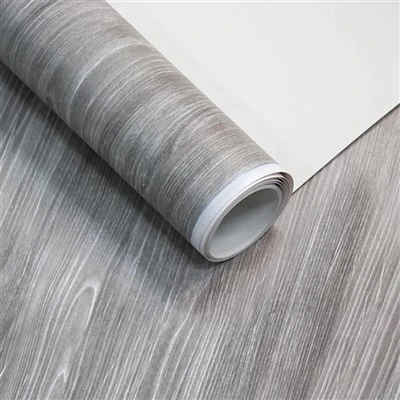
The core drivers of market growth come from multiple aspects. On the demand side, the release of demand for existing housing renovation, the deepening of urbanization, and consumption upgrades have jointly broadened the application space-in the home decoration sector, its advantages of convenient renovation and controllable cost meet the needs of residents for furniture refurbishment and wall beautification; in the commercial sector, driven by policies promoting the renovation of old hotels and shopping malls, demand for elevator renovation and counter decoration has surged, forming a market gap worth hundreds of billions of yuan. At the same time, the explosive growth of new energy vehicles has driven increased demand for car color changing and paint protection films, and the iteration of electronic consumer products has also increased demand for high-precision self-adhesive decorative films. Multiple scenarios working together are driving market growth.
Policy and technological upgrades are further empowering industry development. The implementation of national "dual carbon" targets and green building standards has driven the increased penetration rate of environmentally friendly self-adhesive decorative films. The widespread adoption of water-based inks and solvent-free processes has significantly reduced VOC emissions, meeting environmental regulations and creating conditions for companies to expand into international markets. Technologically, the application of nano-coatings and automated production lines has improved product performance and production efficiency. The iteration of multi-functional products with antibacterial, fire-retardant, and self-healing properties is driving the industry's upgrade from single-function decoration to integrated functions, demonstrating a clear trend towards high-end products and continuously increasing added value.
In terms of market size, the industry is experiencing steady growth. The Chinese decorative film market reached 38 billion yuan in 2023 and is projected to exceed 50 billion yuan in 2026. The compound annual growth rate is expected to remain around 10.8% from 2026 to 2030, reaching 75 billion yuan by 2030. Renovation of existing housing stock will contribute 45% of the market share, becoming the core growth driver. Regionally, the central and western markets will become a new growth engine, with an average annual growth rate of 13.5%, gradually narrowing the gap with East and South China, and leading to a more balanced market structure.
Meanwhile, the industry also faces certain challenges. Global trade frictions and raw material price fluctuations affect supply chain stability, and the risk of being "strangled" by key technologies has not been fully resolved. Market concentration is low (CR5 is approximately 35%), with fierce competition among small and medium-sized enterprises (SMEs) due to product homogeneity. Some products suffer from issues such as easy edge curling at high temperatures and difficulty in removing adhesive residue, impacting the consumer experience. Furthermore, increasingly stringent environmental regulations are forcing SMEs to upgrade their processes, accelerating industry consolidation, gradually eliminating outdated production capacity, and concentrating market resources on leading companies.
Overall, the self-adhesive decorative film industry presents more opportunities than challenges. With the continuous expansion of application scenarios, ongoing technological upgrades, and deepening environmental demands, the industry will develop towards high quality, differentiation, and sustainability. Companies with environmental advantages, technological strength, and channel advantages will dominate industry consolidation, possessing huge market potential and broad long-term development prospects.