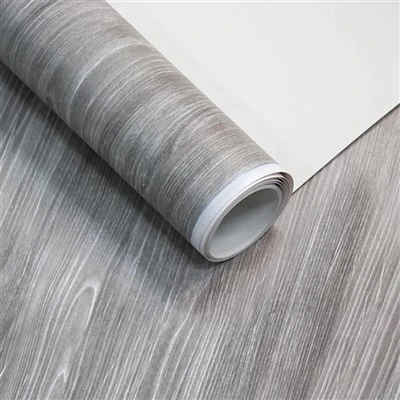
Tips for using PVC edge banding include the following:
Trimming tips: If there is a protruding part on the right-angle edge of the board, you can use a utility blade to gently cut off a little bit to make the edge more rounded. In addition, you can use scissors to cut a 90-degree angle at the corner of the edge strip, and then fold it directly over.
Preparation before installation: Before installation, make sure that the right-angle edge of the board can be directly sealed. If the weather is cold, it is recommended to use a hair dryer to heat the adhesive to ensure the bonding effect.
Clean the adhesive surface: If there is dust on the adhesive surface, it must be cleaned before pasting to ensure the bonding effect.
Cutting and pasting: Align the upper and lower corners, remove the adhesive protective film, and press it on the board. Use scissors to cut a 90-degree angle and cut it to the depth flush with the edge banding. Bend to check whether the two sides are aligned. After the inspection, place the joint in the center of the board.
Temperature control: The optimal temperature for PVC edge banding is 170-210℃, with a lower temperature in summer and an upper temperature in winter. The best edge banding effect can be achieved by using medium and high temperature hot melt adhesive.
Adjust the speed and temperature of the edge banding machine: If the glue line is too thick or overflow wire drawing occurs, the speed and hot melt temperature of the edge banding machine need to be adjusted.
Manual grinding: Since manual edge banding machines or semi-automatic edge banding machines cannot be polished, it is recommended to grind by hand to ensure the trimming effect.
Check the internal temperature and hot melt adhesive temperature: If the PVC edge banding strip cannot be sealed, please check whether the internal temperature and hot melt adhesive temperature are correct (the temperature is not less than 18℃) or the edge banding machine speed is too slow.