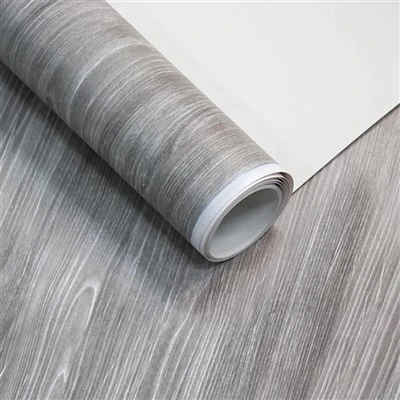
PVC decorative film uses polyvinyl chloride resin as its core raw material and is manufactured through processes such as calendering, coating, and printing. With its rich colors, realistic textures, wear resistance, and easy cleaning, it can accurately simulate the effects of various materials such as wood grain, stone, and metal, and is widely used in building decoration, furniture manufacturing, commercial space decoration, and home appliance panels. From stone-clad walls in sales offices to antibacterial wall renovations in hospitals, and wood-grain decorative cabinets in mid-to-high-end restaurants, PVC decorative film, with its flexible application characteristics, has permeated all aspects of daily life and commercial scenarios. Especially against the backdrop of the rapid development of prefabricated buildings and modular home furnishings, pre-applied PVC decorative film has seen a continuous increase in market demand due to its convenient construction and controllable costs.
Technological innovation has become the core engine driving industry upgrades. In the past, the PVC decorative film industry has long faced pain points such as easy aging and blistering under high temperature and humidity environments, as well as the release of volatile organic compounds (VOCs). In recent years, domestic companies have gradually overcome technical bottlenecks through material research and development and process upgrades. For example, scratch-resistant and weather-resistant PVC composite decorative film, through the use of independently developed UV varnish scratch-resistant treatment agents combined with high-precision whole-coating wiring imported from Germany, has not only significantly improved the product's scratch resistance and aging resistance but also greatly reduced VOC emissions during the production process. The product performance is comparable to internationally renowned brands from Germany and Japan, filling a gap in the domestic high-end market. Meanwhile, the promotion and application of new materials such as water-based inks, halogen-free flame retardants, and biodegradable substrates are further driving the transformation of PVC decorative films towards green and environmentally friendly practices. It is projected that by 2025, the proportion of environmentally friendly products meeting the new national standards will increase to over 80%.
In terms of market structure, my country has become a core producer and consumer of PVC decorative films globally. Data shows that Asia accounts for 58.7% of global PVC resin production capacity, with China alone accounting for 45.2%. The Yangtze River Delta, Pearl River Delta, and Bohai Rim regions together account for 78.6% of the national total production capacity, forming a significant industrial cluster effect. Among them, East China, as the core consumer market, accounts for 36.8% of the national total demand. The annual output value of industrial clusters in Jiangsu and Zhejiang provinces has exceeded 10 billion yuan, with products exported to international markets such as Europe, America, and Southeast Asia. However, the industry still suffers from low concentration; the global CR10 companies hold only 32.4% of the market share, while the domestic CR10 companies hold 45.3%, indicating significant potential for future industry consolidation and brand upgrading.
Looking ahead, with the deep integration of digital inkjet printing, 3D printing, and intelligent color matching technologies, PVC decorative film will achieve more complex patterns and personalized presentations with diverse tactile sensations, further expanding into emerging scenarios such as high-end commercial spaces, art installations, and smart homes. Industry experts indicate that driven by multiple factors including consumption upgrades, policy guidance, and technological advancements, the PVC decorative film industry will continue to evolve towards greening, functionality, and customization. It is expected to maintain an average annual compound growth rate of 8.7% over the next five years, with the market size projected to reach 28.54 billion yuan in 2029, injecting new vitality into the high-quality development of the decorative materials industry.